The 4 Most Important Muscles to Train for a Bigger Physique
If you’re hitting the gym with the goal of looking bigger—whether in a t-shirt, a suit, or at the beach—you need to prioritize. While balanced training matters, not all muscle groups contribute equally to the visual perception of size.
Here’s the hierarchy of muscle groups that create the most visual impact, and how to train them effectively.
1. Shoulders (Specifically Side Delts)
If you want to look bigger, width is the foundation. Broad shoulders are what people subconsciously notice first. They create the “V-taper,” making your waist appear smaller by comparison and giving you an athletic silhouette.
While the front and rear delts contribute to shoulder function, it’s the side delts that physically widen your frame.
How to Train Them
Focus on lateral raises, upright rows, and cable raises. The side delts can handle high frequency and volume. Training them 2–4 times a week with moderate to high reps (12-20) works well for most lifters.
Tracking tip: Use SetsApart to log your weekly hard sets for side delts. Research suggests 10-20 hard sets per muscle group per week optimizes growth—the Volume Per Muscle Group feature shows you exactly where you stand.
2. Arms (Biceps and Triceps)
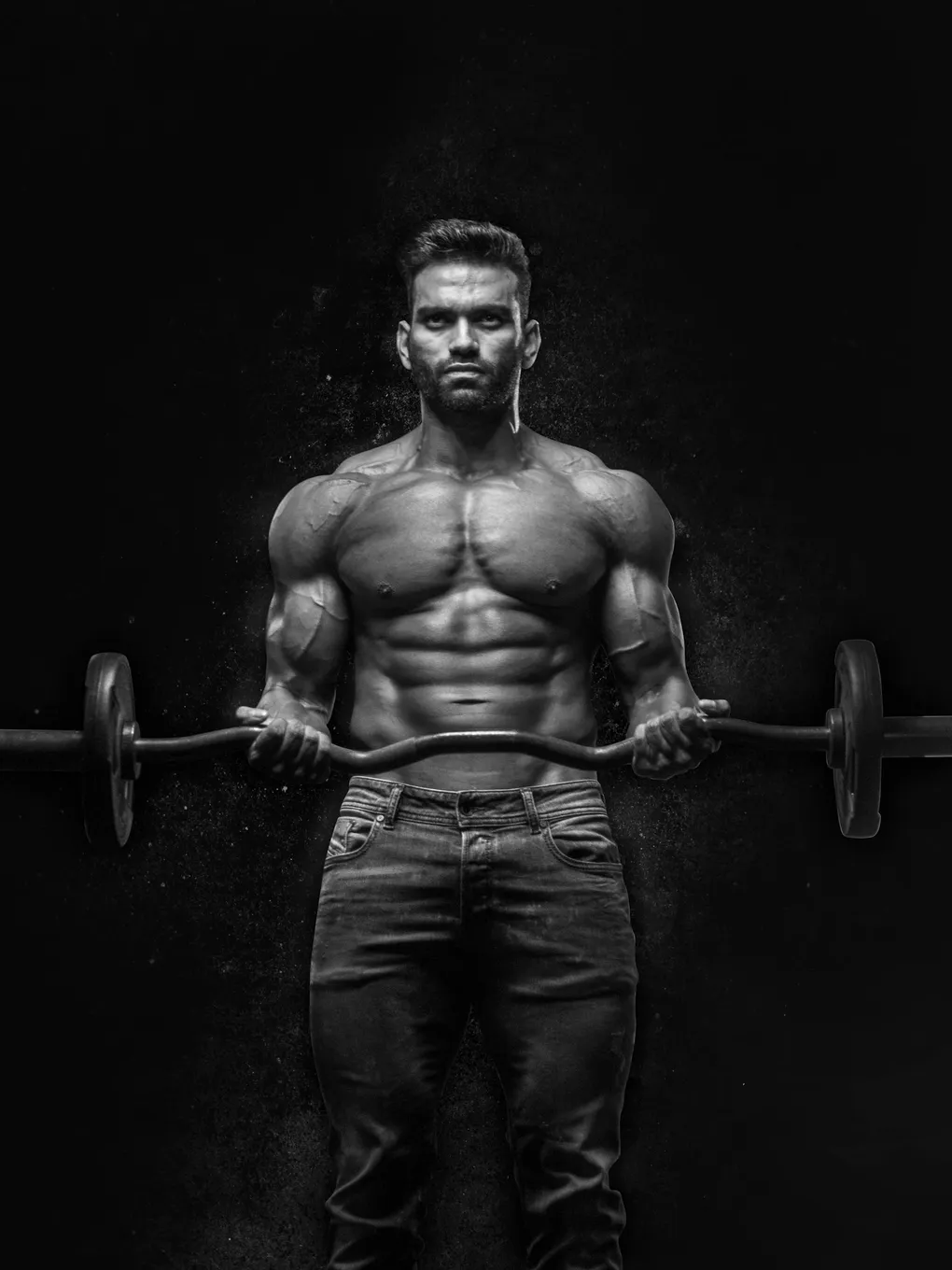
Wide shoulders with thin arms create a visual mismatch. Thick arms are a universal sign of strength that’s visible even when you’re wearing a t-shirt.
If you have broad shoulders and a narrow waist, adding arm size is what confirms you’re actually muscular, not just structurally wide.
The Goal
Fill out your sleeves. When people assess your size, they almost always look at the arms immediately after the shoulders. For efficient arm training when time is limited, check out our guide on building muscle on a busy schedule.
3. Chest (Pectorals)
Once you have the width and the arms, you need front-to-back dimension. A developed chest adds depth to your physique that creates a “3D” look.
A flat chest with wide shoulders and big arms looks unbalanced. Developed pecs provide the front-facing mass that completes the upper body.
Visual Impact
A built chest prevents you from looking flat from the side and balances out developed deltoids. Focus on progressive overload with compound pressing movements to drive chest growth over time.
4. The Back (Lats and Thickness)
You might wonder why back is ranked fourth. While a well-developed back is essential for a complete physique, the muscles on the front of your body (shoulders, arms, chest) are what people see first. However, a wide, thick back is the finishing touch.
Width (Lats)
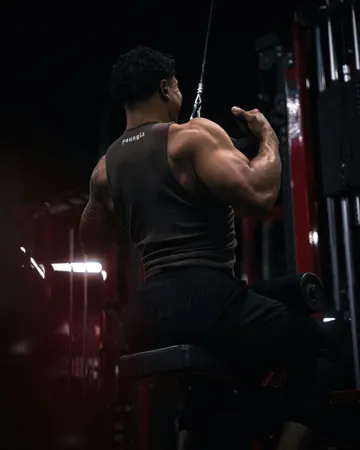
Developed lats exaggerate your V-taper further. They’re visible from the front and even through a fitted shirt.
Thickness
A thick upper back implies strength and prevents you from looking two-dimensional from the side.
The Finishing Touches: Traps and Forearms
Once you have the “Big 4” developed, two smaller muscle groups add the final details:
- Traps: Large traps create a “yoked” look, bridging the gap between your neck and shoulders. They make you look thick and durable.
- Forearms: One of the few muscles visible when fully clothed. Developed forearms signal functional strength and complete the look of your arms.
What About Legs?
It’s worth addressing: if your primary goal is upper body aesthetics, legs contribute less to the “clothed” look than the upper body muscles listed above.
That said, you should still train legs for health, athleticism, and overall balance. Massive quads are impressive, but they don’t contribute as much to looking bigger in everyday clothes as broad shoulders or thick arms do. If you’re short on time, prioritize accordingly—our guide on the minimum effective dose covers how to maintain muscle groups with limited training time.
Putting It Together
To maximize your visual size efficiently, organize your training priority in this order:
- Side Delts (for width)
- Arms (for obvious size)
- Chest (for front-to-back depth)
- Back (to complete the V-taper)
By prioritizing these areas and tracking your hard sets for each muscle group, you ensure that every pound of muscle you gain contributes directly to looking bigger and more muscular.
Source
This article was inspired by and summarizes key insights from the following video. Check out the video for more detail and subscribe to the channel—it’s a great resource for evidence-based training.
Watch the full video: The Most Important Muscles To Train To Look Bigger